
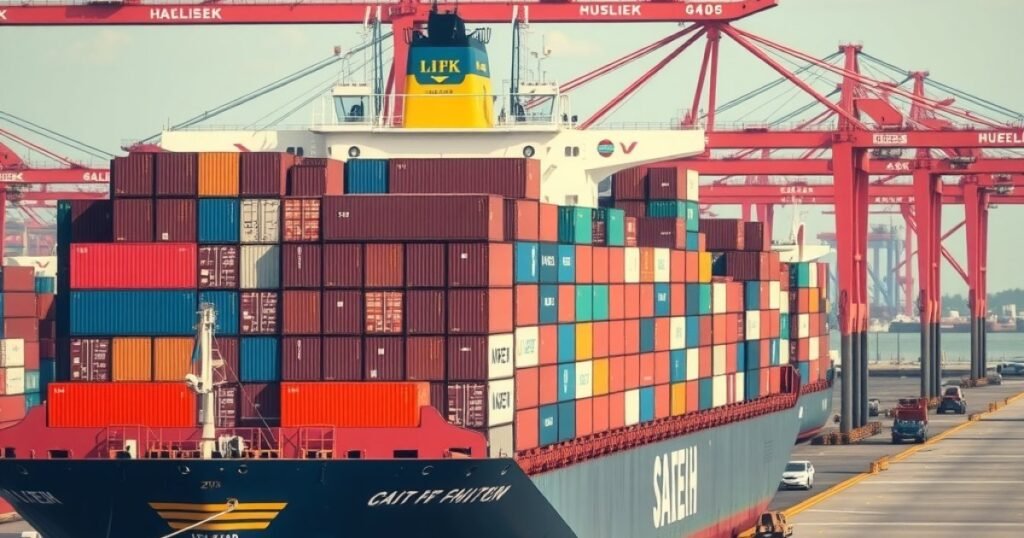
If you are asking how much shipping from China costs, the honest answer is that it depends on a handful of factors you can control and a few you cannot. Two shipments of the same product can have very different freight bills depending on volume, weight, route, timing and the paperwork behind them. This guide explains what actually drives the price of shipping from China by sea, air and rail, which extra charges to look for on a quote, and how to compare quotes fairly. We do not quote fixed prices here because rates change often; use the factors below to understand any quote you receive.
The Main Factors That Decide Shipping Costs From China
Freight rates are built from a base rate plus surcharges and local charges. The base rate moves with the market, while the rest depends on your cargo and how it is handled. These are the factors that matter most:
- Transport mode. Air freight is typically several times more expensive per kilogram than sea freight, but it is much faster. Rail usually sits between the two on both cost and speed.
- Volume and weight. Carriers charge on whichever is greater: actual weight or volumetric (dimensional) weight. Bulky, light cargo is often charged on volume.
- Shipment size. A full container (FCL) has a fixed rate for the box, while smaller shipments (LCL) are usually charged per cubic metre or per tonne, often with a minimum charge.
- Origin and destination. The Chinese port or airport you ship from, the destination port, and whether you want door delivery all change the price. Ports with more weekly sailings often have more competitive rates.
- Timing and season. Rates and available space tend to tighten before Chinese New Year, around Golden Week in early October, and ahead of the Christmas retail season. See our Chinese New Year 2027 shipping guide for planning tips.
- Cargo type. Dangerous goods, batteries, liquids, oversized items and goods needing special handling usually cost more and need extra documents.
- Incoterms. The agreed trade term decides which costs sit with the supplier and which sit with you. Our Incoterms guide for China imports explains how to compare quotes properly.
Sea Freight Costs: FCL vs LCL
Sea freight is the usual choice for larger or heavier shipments. With FCL you book a whole 20ft or 40ft container, so the cost is largely per container regardless of how full it is. With LCL your goods share a container, and you pay for the space you use plus consolidation and deconsolidation handling. As a rule of thumb, LCL is typically cheaper for small volumes, while FCL often becomes better value once a shipment fills a significant part of a container. Ask for both quotes if you are somewhere in between.
Container rates are volatile. They can move noticeably from one month to the next depending on capacity, cancelled sailings and carrier general rate increases, and they differ a lot by trade lane. For lane-specific context, read our guides to sea freight from China to Europe, to the USA and Canada, and to Australia and New Zealand.
Air Freight Costs: Chargeable Weight Explained
Air freight is priced per kilogram of chargeable weight, which is the higher of actual weight and volumetric weight. A common airline convention is to divide the package volume in cubic centimetres by 6,000 to get volumetric kilograms, although some carriers use different divisors, so confirm with your forwarder. Rates usually fall as the weight band increases, for example from 45 kg to 100 kg to 300 kg and above. Fuel and security surcharges are often charged on top. Air is typically best for urgent, high-value or lightweight goods; see our air freight from China to Europe guide for more detail.
Rail Freight Costs
Rail freight between China and Europe is generally priced per container or per cubic metre for LCL, and it can be a middle option when you need something faster than sea but cheaper than air. Availability depends on the corridor, terminals and demand, so prices and transit times can vary. Our rail freight from China to Europe guide covers the details.
Extra Charges to Look for on a Quote
A low headline rate does not always mean a low total cost. Ask your forwarder to list every charge, and watch for these common items:
- Origin charges: pickup from the factory, loading, export customs clearance, terminal handling and documentation fees in China.
- Surcharges: bunker or fuel adjustment, peak season or general rate increases, congestion or equipment surcharges, and low-sulphur fuel charges. Names vary by carrier.
- Destination charges: terminal handling, port or airport fees, delivery order fees, customs clearance and inland haulage or last-mile delivery.
- Duties and taxes: import duty and VAT or GST are separate from freight and depend on the product classification and declared value.
- Insurance: cargo insurance is not always included and is typically a small percentage of the goods value.
- Storage and demurrage: charges for delays at the port or for keeping containers too long. Clear and collect on time to avoid them.
How to Compare Shipping Quotes Fairly
Comparing quotes only works when they cover the same scope. Before you decide, check that each quote states the same Incoterm, the same ports or airports, the same cargo details, the validity date and the transit time. A quote that stops at the destination port is not comparable to a door-to-door quote. Request an itemised breakdown so that you can see what is included and what could be added later.
Practical Ways to Reduce Your Shipping Costs
- Consolidate suppliers. If you buy from several factories, combining goods into one shipment through a warehouse in China can reduce per-unit freight and handling.
- Optimise packing. Smaller, denser cartons and better palletisation can reduce chargeable volume and the risk of damage.
- Book early. Last-minute bookings during busy periods are often more expensive and less reliable.
- Choose the right mode. Do not use air for goods that can wait for sea if the price gap is larger than the cost of holding stock.
- Get the paperwork right. Incorrect HS codes, weights or invoices can lead to delays, inspections and extra charges.
- Plan with a forwarder early. Sharing your product list and delivery date lets a forwarder suggest the cheapest practical option.
How China Cargo Hub Can Help
We help importers in Europe, the UK, the USA, Canada, Australia, New Zealand and the Gulf to plan and ship goods from China by sea, air and rail. We can collect from your suppliers, consolidate cargo, and offer free warehousing in China for reliable repeat customers. Learn more about our freight services.
Frequently Asked Questions
How much does it cost to ship from China?
There is no single price. The cost depends on the mode of transport, volume or weight, route, season, cargo type and the Incoterm. Ask for an itemised, door-to-door quote based on your actual cargo details.
Is it cheaper to ship from China by sea or air?
Sea freight is typically cheaper per kilogram, especially for heavy or bulky goods, but it is slower. Air is faster and usually costs more, so it suits urgent or high-value items.
What is chargeable weight in air freight?
Chargeable weight is the higher of the actual weight and the volumetric weight of your cargo. Airlines and forwarders bill on this figure, so compact packing can lower the cost.
Is LCL or FCL cheaper?
LCL is typically cheaper for small shipments because you pay only for the space you use. As volume grows, FCL can become better value. Request both quotes to compare.
Why do shipping rates from China change so often?
Rates respond to demand, vessel and aircraft capacity, fuel costs, port congestion and seasonal peaks such as Chinese New Year. Quotes are normally valid for a limited time only.
Are customs duties included in the shipping cost?
Usually not. Freight quotes normally exclude import duty and VAT or GST, unless you buy on a DDP basis. Always confirm what is included.
How can I lower the cost of shipping from China?
Consolidate suppliers, pack efficiently, book early, choose the right transport mode and make sure your documents and HS codes are accurate.
Get a Clear Shipping Quote From China
Tell us what you are shipping, where it is going and when you need it, and we will help you understand the full cost and the best route. Call +86 132 8863 7701 or use the button below.