
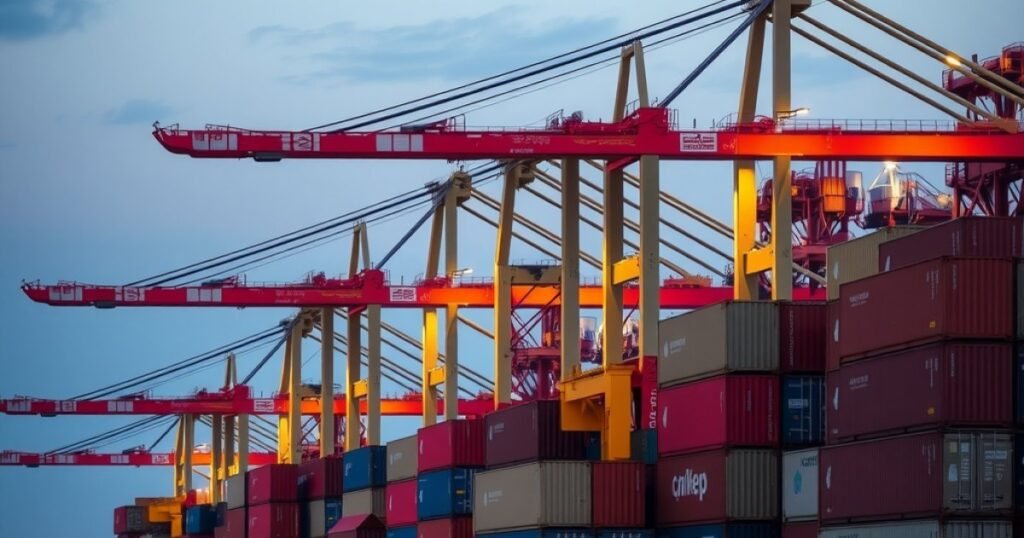
If you import from China, Chinese New Year 2027 shipping needs planning now, not in January. The festival day falls on 6 February 2027, but factories typically slow down weeks before it and take weeks to return to full output, so the real disruption to production and freight is much longer than the public holiday. This guide shows a practical timeline, what usually happens to freight, and how to protect your delivery dates.
When Is Chinese New Year 2027?
Chinese New Year (Spring Festival) falls on 6 February 2027. The official mainland China holiday length for 2027 is normally published by the State Council around November, so check the confirmed dates once they are released. In recent years the official break has typically lasted about a week or more, and 2026 was a nine-day holiday. Many factories close for longer than the official dates because workers travel home and some do not return to the same employer.
What Actually Happens to Factories and Freight
Think of Chinese New Year as a slowdown in four stages:
- 2-3 weeks before: factories rush to finish open orders and often stop accepting new production slots
- The final week before: workers leave for home and output drops sharply
- The holiday itself: most factories, many suppliers and some customs and forwarder offices are closed or on reduced schedules
- 2-4+ weeks after: staff return gradually, so factories commonly run below full capacity until around March
On the freight side, demand usually rises in the weeks before the holiday as everyone tries to ship at once. That can mean tighter space, higher rates and rolled bookings on busy lanes, followed by a quieter period and some blank sailings once the holiday begins. Exact rates change week by week, so ask for a current quote instead of relying on last year’s numbers.
A Practical Chinese New Year 2027 Timeline
Use this as a planning guide and adjust it for your supplier and product:
- Now to early November 2026: confirm your supplier’s holiday dates in writing, place your last pre-holiday orders and approve samples early
- November to December 2026: finish production planning, agree packaging and book freight space ahead of the pre-holiday rush
- Early to mid January 2027: aim for your last reliable departures from China, because cargo that misses this window competes for scarce space
- Late January to early February 2027: expect slow factory response, delayed payments and limited staff at suppliers
- Mid February to March 2027: allow extra lead time for restarted production, and build a buffer into any promised delivery dates
Also remember Ramadan begins around 8 February 2027, so shipments to the UAE, Saudi Arabia and Oman can face slower business activity at the destination right after the Chinese holiday.
How to Protect Your Shipments
- Get your supplier’s cut-off date in writing and treat it as a firm deadline
- Order earlier and in larger batches if you need stock to cover the holiday and the weeks after it
- Book freight early and ask your forwarder for several sailing or flight options
- Consolidate suppliers: with our free warehousing in China for repeat customers, goods from several factories can be collected before the holiday, checked and shipped together
- Pay suppliers before the shutdown: bank transfers and responses slow down around the holiday, and a late payment can delay production by the length of the break. Read our guide to paying a China freight forwarder safely
- Consider air for urgent lines: arranging air freight for a small, high-priority part of an order in advance is usually less stressful than buying it at the last minute
- Check destination free time: make sure someone can receive and clear your cargo if it arrives while your consignee or warehouse is closed
Sea, Air or Rail Around Chinese New Year
Sea freight is still the lowest cost for bulky cargo, but it needs the earliest booking. Rail can be a useful middle option for Europe-bound goods, and air suits urgent or high-value cargo. Compare the options in our guides to sea freight from China to Europe, rail freight from China to Europe and China to UK freight. For destination-specific rules, see our guides for the USA and Canada, Australia and New Zealand, and the Gulf.
Common Chinese New Year Shipping Mistakes
Most delays are not caused by the carrier. They come from decisions made too late. Importers often run into the same problems every year:
- Assuming the factory reopens on the first working day. Reopening is gradual, and some lines wait for workers to return before they restart
- Leaving the final order too late. A factory that is fully booked before the holiday may not start your order until after it, which can add several weeks to your lead time
- Ignoring the paperwork. Commercial invoices, packing lists and HS codes should be agreed before the shutdown, because corrections during the holiday are slow
- Planning only for the holiday week. The slow period before and after the holiday matters just as much as the days off
- Promising customers a fixed delivery date. Add a buffer so a rolled booking or a late restart does not leave you out of stock
Planning Your Budget and Cash Flow
Ordering earlier means paying earlier, so plan your cash flow before the rush. Ask your supplier for the deposit and balance schedule, and ask your forwarder for a written quote that shows what is included. Rates and surcharges can change quickly in busy weeks, so treat any quote as valid only for the period stated. If you also need to calculate duties and VAT, remember that your customs value usually includes goods, freight and insurance, and your destination rules apply as normal. Our guides to air freight to the USA and Canada and sea freight to Australia and New Zealand explain the main customs points for those markets.
Chinese New Year Shipping Checklist
- Confirm your supplier’s holiday and last-production dates in writing
- Place your last pre-holiday orders and approve samples early
- Agree packaging, labels and shipping marks before the shutdown
- Book freight early and ask for backup sailing or flight options
- Settle supplier payments before the bank and office slowdown
- Decide which lines, if any, should go by air
- Ask your forwarder about warehouse consolidation for multiple suppliers
- Add a buffer to customer delivery promises through March 2027
Frequently Asked Questions
When is Chinese New Year 2027?
The festival day is 6 February 2027. The official holiday period is normally confirmed by the State Council around November.
How long do Chinese factories close for Chinese New Year?
Many close for longer than the official holiday. Output often falls 2-3 weeks before the festival and does not return to full capacity until several weeks after, commonly around March.
When should I place orders before Chinese New Year 2027?
As a guide, place your last pre-holiday orders by early to mid November 2026 and confirm your supplier’s cut-off date in writing.
Do shipping rates go up before Chinese New Year?
Rates often firm up and space can tighten in the weeks before the holiday as shippers rush to move cargo. Ask for a current quote and book early.
Can I ship during Chinese New Year?
Ships and flights still operate, but factories, suppliers and some offices are closed or on reduced schedules, so cargo is usually harder to prepare and documents take longer. Plan to have goods ready before the holiday.
How can China Cargo Hub help?
We can advise on booking timing, collect goods from several suppliers, consolidate them in our warehouse and ship by sea, air or rail. Free warehousing is available for reliable repeat customers.
Get a Chinese New Year Freight Quote
Tell us what you are shipping, where it is and where it needs to go, and we will send a clear quote with transit time and customs guidance. Contact us on +86 132 8863 7701 or use the button below.